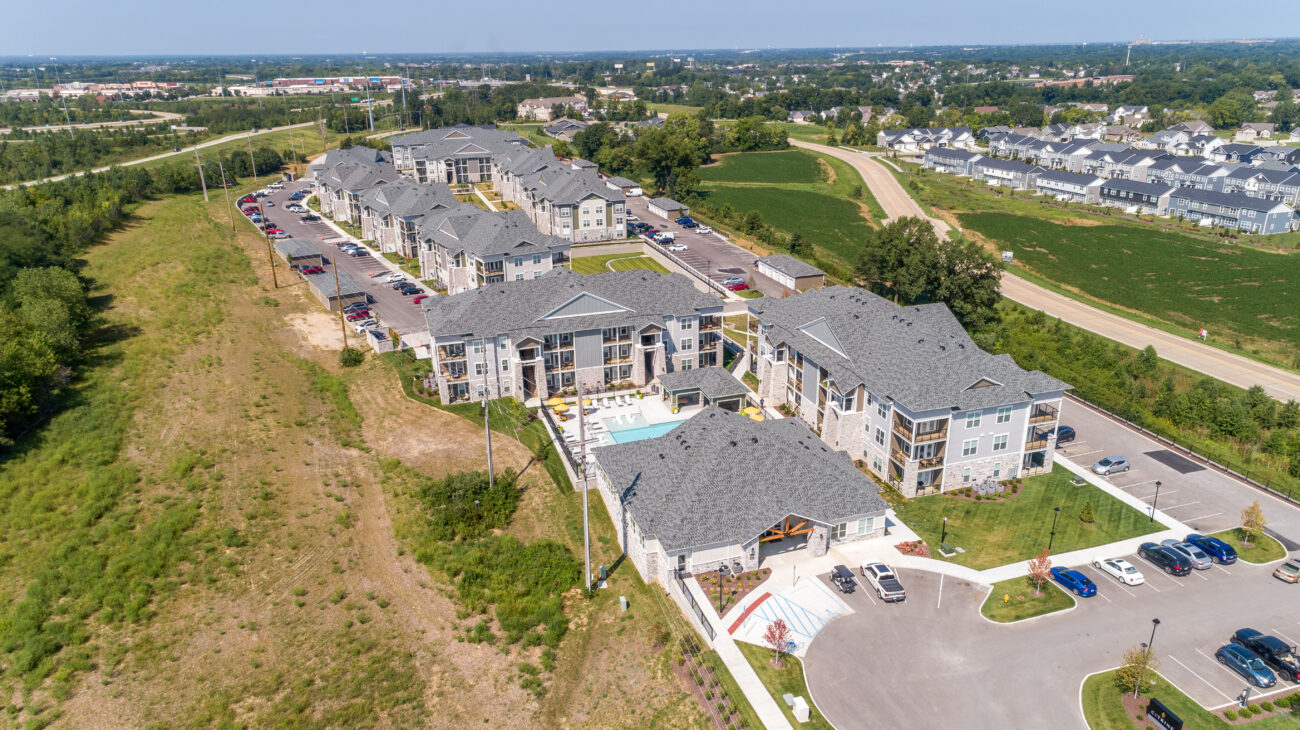
In the competitive world of multi-family development, choosing the right project delivery method is essential to a project’s success. The design-build approach, which streamlines design and construction under a single contract, proves to be a faster, more cohesive option for those looking to gain an advantage in the current marketplace. To illustrate these benefits, we’ll compare two recent ARCO Construction multi-family projects — one delivered through design-build and the other through the traditional design-bid-build method.
While both successful, the project that took the design-build approach benefited from three standout advantages: an accelerated timeline, minimized risk and enhanced communication.
1. Accelerated Timeline: Getting to Market Faster
Time is paramount in multi-family construction, where every delay can impact profitability and occupancy rates. On average, projects delivered through design-build are designed 30% faster than those delivered through traditional methods. The integrated workflow of design-build promotes united efforts between teams, reducing revisions and shortening the overall timeline.
For the design-build project, this streamlined approach meant that design and construction teams were aligned from the beginning, making it easier to resolve issues proactively and proceed without unnecessary pauses. In contrast, the design-bid-build project faced delays typical of the traditional process, where separate contracts for design and construction meant elongated wait times for approvals, adjustments and rework.
By choosing design-build, the first project team was able to meet completion goals more quickly, getting to market sooner and generating revenue earlier than the other project.
2. Risk Mitigation: Reducing Costly Surprises
Traditional project delivery methods like design-bid-build frequently encounter cost overruns due to changes unknown to the owner. Change orders are among the most common challenges in multi-family projects, typically accounting for up to 10% of additional project costs due to scope alterations and misaligned expectations. These surprises often stem from design gaps, late-stage value engineering, or conflicting interpretations between project stakeholders. Without proactive management from the start, they can quickly derail timelines and strain budgets.
With the design-build approach, these risks were minimized as designers and construction experts worked collaboratively from day one. This meant fewer Requests for Information (RFIs), as potential challenges could be addressed and solved early in the design phase. In the design-bid-build project, however, the separation between design and construction left the door open to mid-project modifications and selection decisions creating budget surprises for the developer.
By integrating all aspects of the project under one team, the design-build model helped the first project stay aligned on budget and avoid unexpected costs.
3. Streamlined Communication: Fostering Collaboration and Accountability
Effective communication is key to any successful project, yet design-bid-build often places the burden of coordination on the project owner. With separate entities managing design and construction, owners must navigate between the two teams, sometimes stepping in to resolve issues and ensure expectations, adding time and requiring more involvement than anticipated.
For the design-build project, the team’s early involvement ensured that the owner’s vision was clearly understood and integrated from the start. This single-point-of-contact structure reduced the owner’s role as an intermediary, allowing the project to progress smoothly and with less direct oversight. The design-bid-build project, by comparison, required more hands-on management from the owner, adding complexity and increasing the chances of miscommunication between design and construction teams.
By streamlining the process and fostering a collaborative environment, the design-build approach helped maintain clear accountability across all project stages, allowing the owner to focus on strategic goals rather than daily project coordination.
Why Choose Design-Build for Your Next Multi-Family Project
As illustrated by the design-build project, this delivery method offers multi-family developers a more modern, streamlined approach that accelerates timelines, mitigates risks and simplifies communication. In today’s competitive market, choosing an experienced design-build team, such as ARCO Construction, can make a critical difference in your project’s success.
With years of multi-family expertise, ARCO has refined a process that not only brings projects to market faster but also safeguards against issues and reduces the burden on owners. For developers ready to move beyond traditional methods, ARCO’s design-build model offers a proven path to more efficient, cost-effective, and profitable multi-family projects.
ARCO’s Multi-Family Expertise in Action
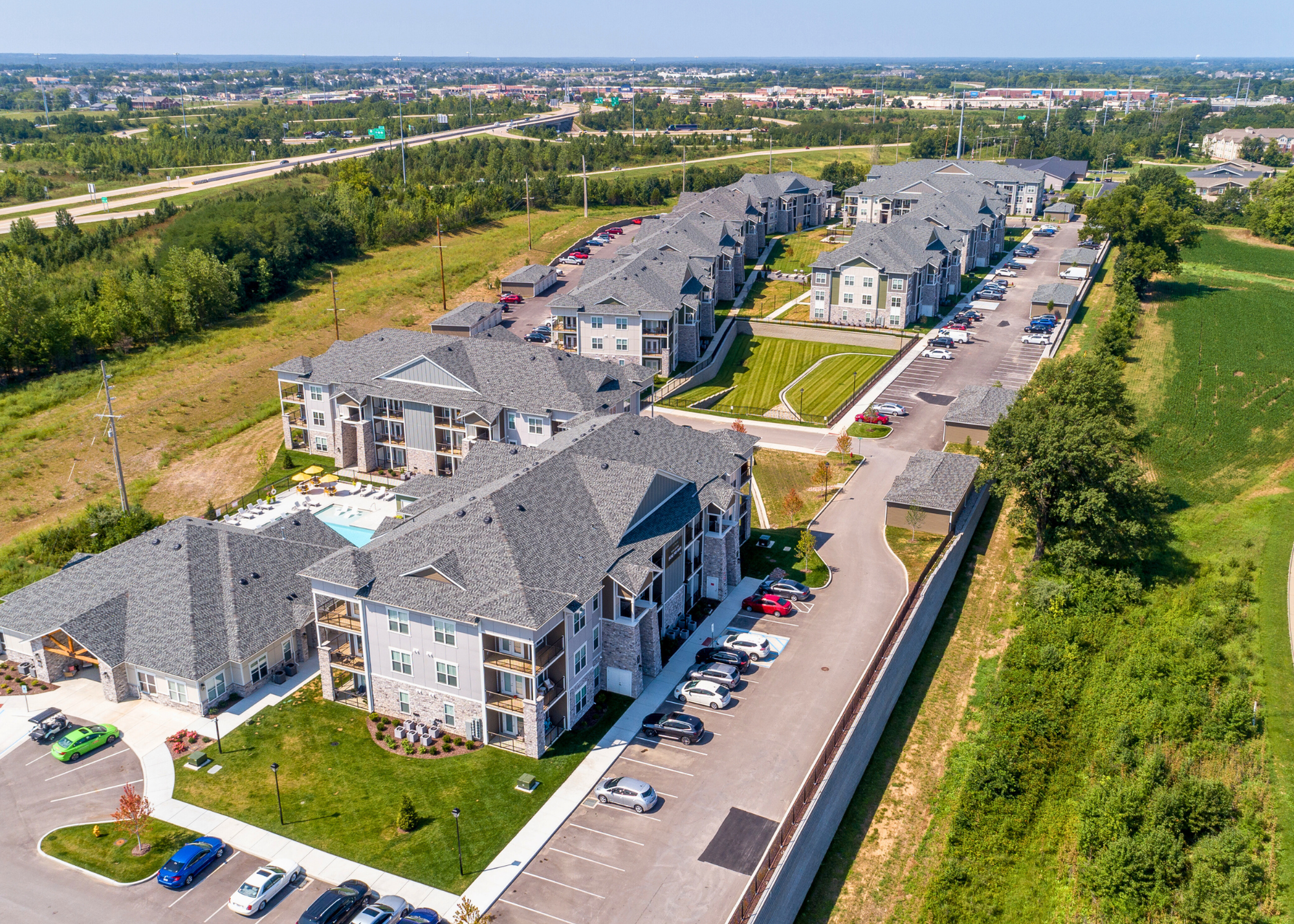
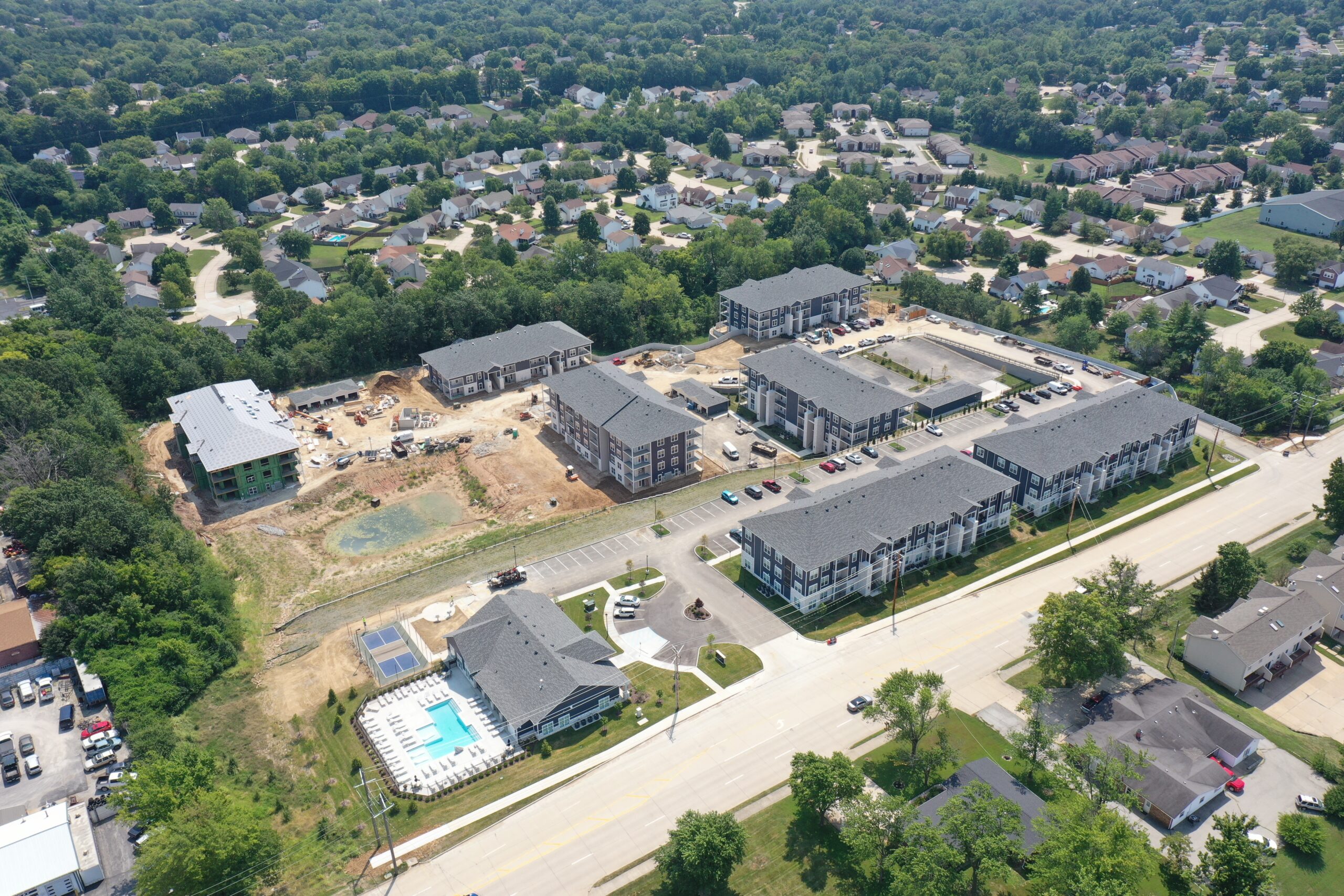
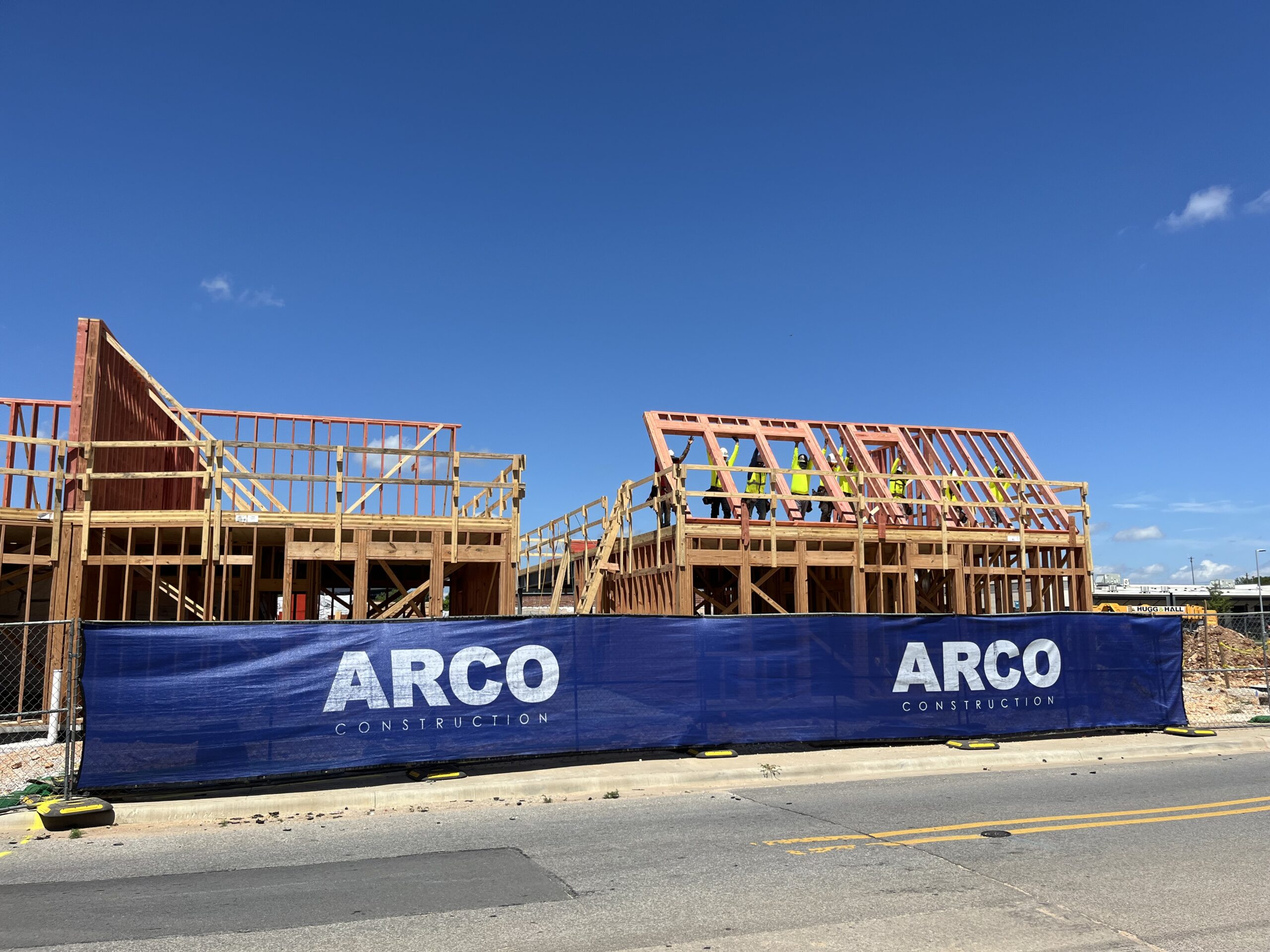
With 75% repeat customers, we’ve delivered design-build projects nationwide for more than 30 years — producing faster, better, and more cost-effective results. Click on each project to learn more.
Are you ready to experience a better way to build your multi-family project?
Contact us to learn how ARCO can deliver faster, more cost-effective results tailored to your goals. Let’s connect.